



Threads of Innovation!
North Carolina’s textile story once ran through brick mills and spinning rooms. In Lexington, its next chapter is being written with advanced materials, technical expertise and products most consumers use without ever seeing.
A Familiar Industry, Reengineered
Supreme Nonwoven Inc. has selected Lexington for its first U.S. manufacturing facility, bringing a $25.8 million investment and 50 new jobs to Davidson County. The company plans to establish its operation inside a facility spanning more than 200,000 square feet, where it will manufacture advanced nonwoven materials and collaborate with North American customers on specialized product solutions.
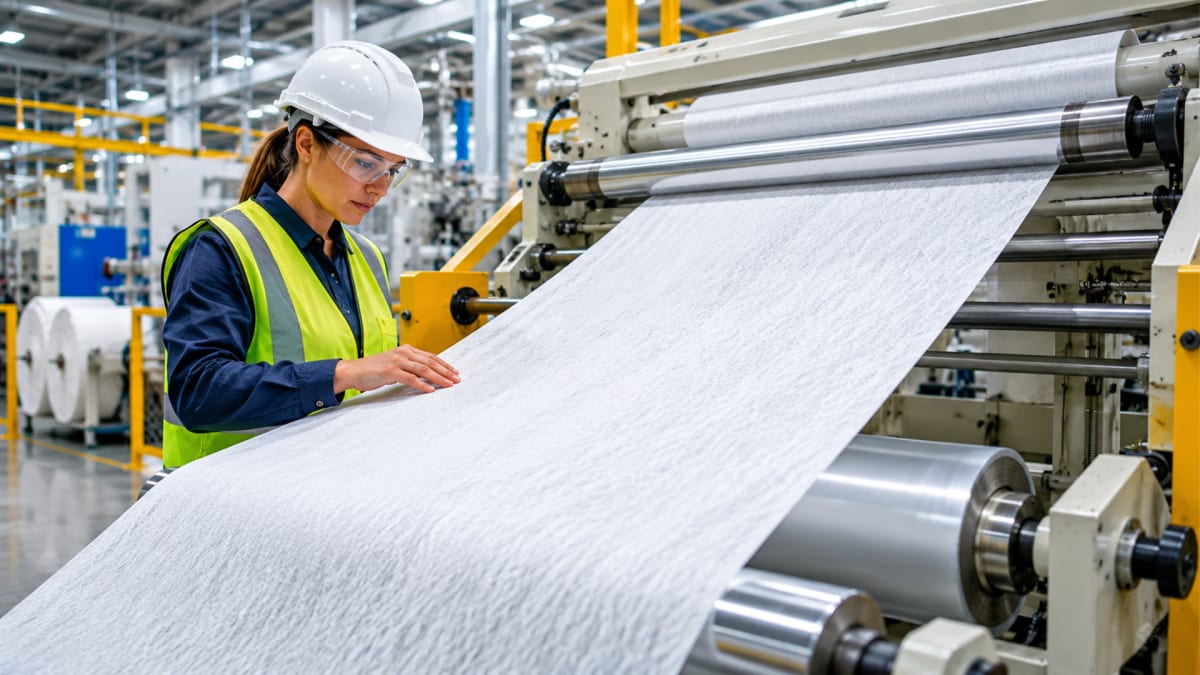
For anyone picturing bolts of fabric rolling off a traditional loom, nonwovens require a slight reset. These engineered materials are created by bonding fibers rather than weaving or knitting them. The result can be lightweight, durable, absorbent, insulating or highly efficient at filtration, depending on the job at hand.
Supreme Group’s products support automotive interiors, industrial filtration, apparel, construction materials, packaging and everyday consumer goods. Its filtration products serve industries ranging from pharmaceuticals and mining to power generation and automotive manufacturing, while its customized materials appear in geotextiles, agriculture and civil engineering.
That wide reach helps explain why advanced textiles matter. A material that seems unremarkable on its own may reduce vehicle noise, capture industrial particles, reinforce a construction project or improve the performance of a product used halfway around the world.
Old Strengths, New Machinery
North Carolina’s manufacturing heritage gives companies like Supreme Nonwoven something difficult to recreate from scratch: a workforce and business culture already familiar with textiles, production and supply chains. The equipment has changed, and the materials are more specialized, but the state’s knowledge base still carries weight.
The Lexington facility will also serve as a technical collaboration hub, allowing the company to develop customized applications closer to its U.S. customers. That means the operation is expected to involve more than routine production. Research, automation, material development and customer problem-solving will help shape the work performed there.
For Davidson County, the project adds jobs and investment while reinforcing Lexington’s role in the Piedmont manufacturing corridor. Suppliers, workforce programs and nearby businesses may also benefit as the facility grows and builds regional partnerships.
North Carolina did not leave its textile identity behind. It adapted it. The strongest thread connecting the old industry to the new one is the ability to keep making useful things, only now with smarter materials and a much more technical toolbox.
Find more manufacturers shaping North Carolina’s economy in the directory! https://www.guidetonc.com/manufacturing
