



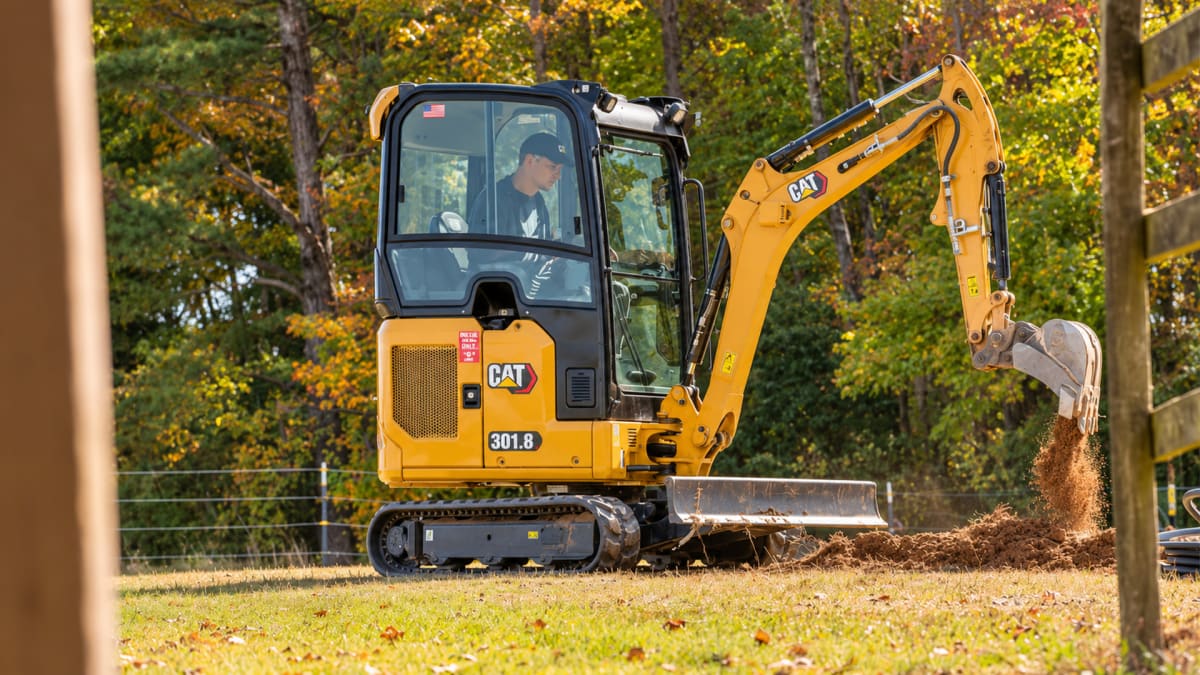
Sanford Is Digging Into $1 Billion
A machine doesn’t have to loom over the highway to earn its keep. Sometimes the valuable one fits into a crowded jobsite, moves the materials and switches assignments before lunch. Caterpillar is putting serious money behind that proposition.
Caterpillar plans to invest approximately $1 billion in North Carolina, including a new Sanford manufacturing facility that would increase production of compact track loaders and telehandlers. The company says demand for compact equipment is growing, particularly among the small contractors and expanding businesses its Cat Compact strategy targets.
The appeal becomes clearer when you consider the work. A compact track loader moves on tracks and uses interchangeable attachments to handle assignments such as moving material, grading ground or digging holes. A telehandler uses an extending boom to lift and position loads. One helps work the ground; the other helps get materials where they need to go.
For a small contractor, versatility matters because the next task may look nothing like the last. A landscaping job can involve soil preparation, material handling and cleanup. Equipment that accepts different tools gives the operator more ways to tackle that sequence. Compact dimensions also matter where working room is limited. Nobody gets extra driveway simply because the machine needs it.
Caterpillar identifies construction, landscaping, agriculture and material handling as markets for these machines. Their usefulness across different kinds of work helps explain the business case behind added capacity, without assuming every customer needs the same equipment or buys it for the same reason.
In Sanford, the production methods are part of the story. Caterpillar expects the facility to incorporate automation, digital production systems and integrated logistics. In practical terms, that points toward coordinating how machines are assembled, how production information moves and how parts reach the work.
Those systems could help reduce interruptions and make production easier to track. They also require people who can operate, maintain and improve them. Caterpillar says the project will support skill development in robotics, automation and digital manufacturing, giving local workers a clearer picture of the capabilities involved.
The company chose North Carolina partly for its existing workforce and manufacturing experience, including operations already in Sanford. That makes this an investment built around knowledge the community already has, alongside technology employees will learn to use.
The dollar figure deserves attention. So does the everyday customer behind it: someone trying to finish a demanding job with limited room and equipment that can handle several assignments.
Explore more North Carolina businesses in the Guide to North Carolina manufacturing directory: https://www.guidetonc.com/manufacturing