



Smart Classroom, Smarter Funding
Everyone’s familiar with the feeling; a kid pausing in the middle of their complicated homework, looking around with irritation, and saying, “When am I ever going to use this?” North Carolina is pretty sure the answer looks a lot more like coding a robot, building a digital model, or stepping into a virtual simulation rather than flipping to page 42. With a new round of Digital Learning Initiative grants now open through June 18, the state is inviting public school units to rethink what learning can look like for the 2026–27 school year.
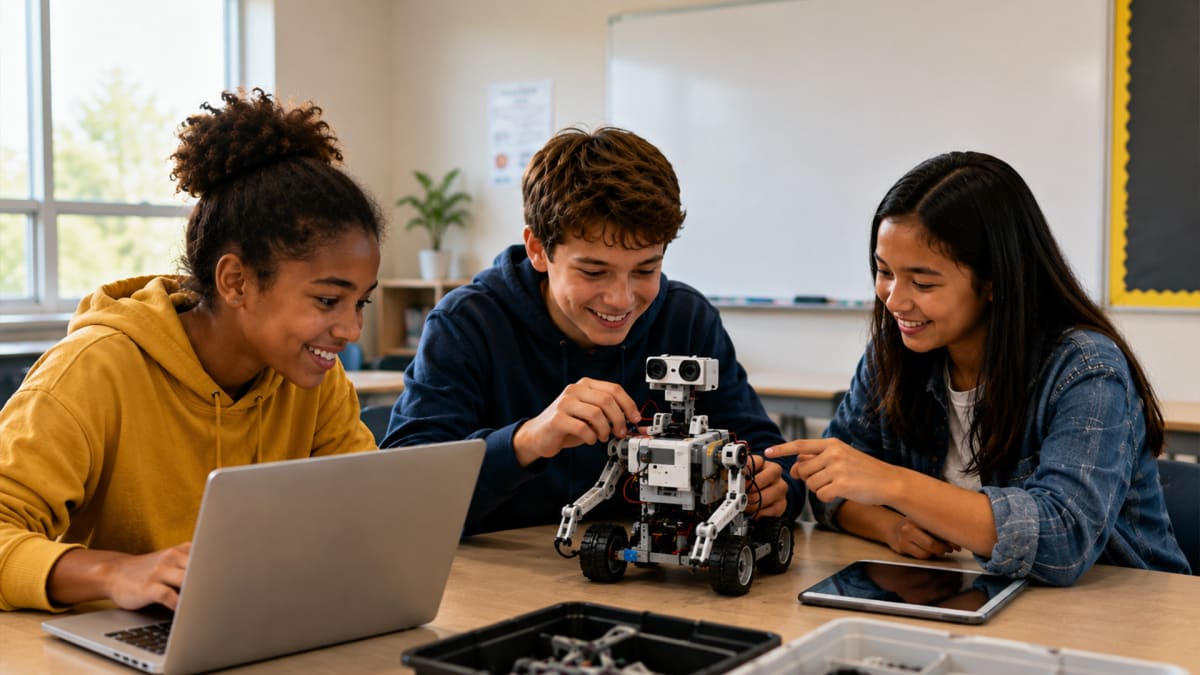
Led by the North Carolina Department of Public Instruction, the program isn’t so much about buying shiny gadgets and more about backing ideas that change how students learn. That could mean expanding personalized learning platforms, introducing robotics labs, or piloting immersive tech that brings abstract concepts to life. The goal is simple to say, but harder to pull off: make classrooms feel a little more like the world students are heading into.
This isn’t a one-size-fits-all grant, either. Districts can apply for multi-year “impact” awards that support larger, long-term transformations, or smaller, one-year grants designed to test new ideas before scaling them up. In a state where urban and rural districts often face very different challenges, that flexibility is monumental.
From Classroom to Career Pipeline
What makes this push especially relevant across North Carolina is how tightly it connects education to the state’s broader workforce story. From the Research Triangle’s tech corridors to growing manufacturing hubs in places like Gaston County and Johnston County, employers are looking for graduates who are comfortable with both tools and thinking.
These grants aim to help schools meet that moment by focusing on:
- Hands-on tech exposure like coding, robotics, and digital design
- Personalized learning models that adapt to how students absorb information
- Emerging tools that bridge the gap between textbook knowledge and real-world application
For local communities, that translates into more than upgraded classrooms. It’s about keeping talent close to home. When students see a pathway from what they’re learning to jobs in their own region, they’re more likely to stay, build careers, and invest back into the local economy.
The application window may be short, but the ripple effects are anything but. Schools that take advantage of this funding aren’t just upgrading devices. They’re reshaping how the next generation thinks, solves problems, and steps into a workforce that’s already evolving faster than most syllabi.
For a closer look at participating schools and education resources across the state, click here. https://www.guidetonc.com/education-childcare
