



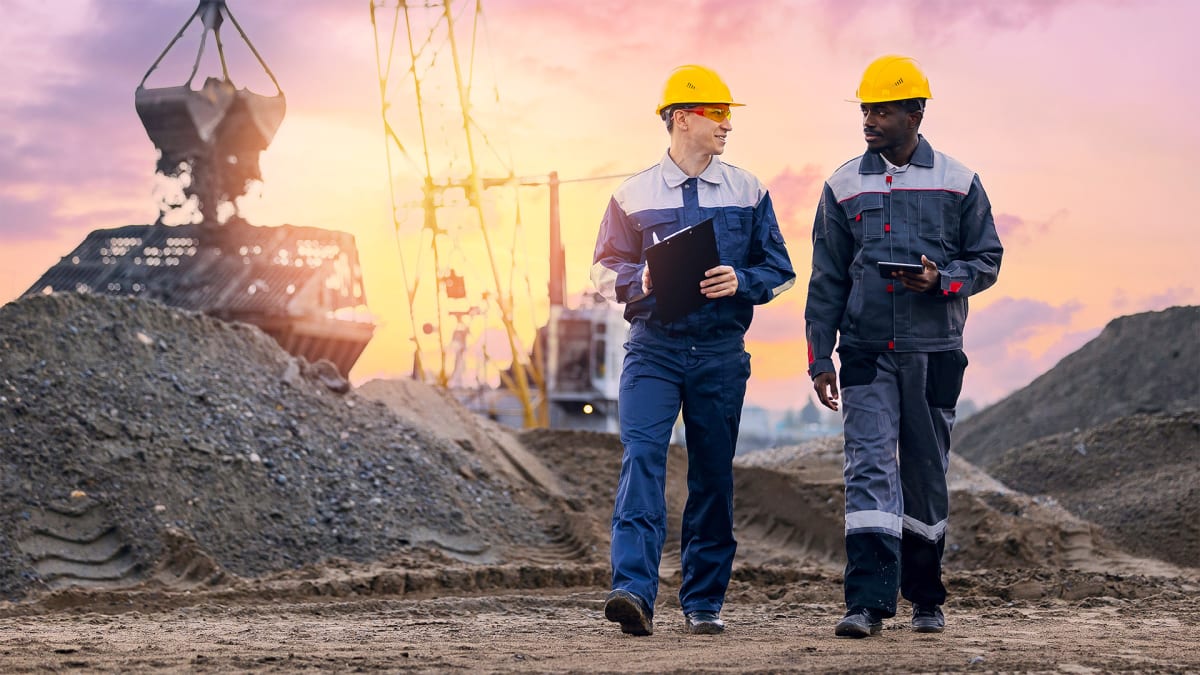
Safer Mines, Stronger Industry
You don’t always see it from the road, but mining remains a steady part of the local economy in many corners of the state. It shows up in the materials that shape new neighborhoods, road projects, and commercial growth. And lately, it’s also showing up in a quieter but meaningful way, through safer job sites and fewer workplace injuries.
A recent announcement from Labor Commissioner Luke Farley points to a notable shift. Injury rates across the state’s mining industry have dropped to less than half of what they once were. That kind of change does not happen overnight, and it rarely comes from a single fix. It’s the result of steady adjustments, better habits, and a more consistent focus on how work gets done day to day.
What’s Changing on the Ground
For many operations, safety is no longer treated as a checklist item. It’s built into the routine. Updated training programs are giving workers clearer expectations before they ever step onto a site. Equipment protocols are tighter. Oversight is more active, with regulators and operators staying in closer communication instead of working in separate lanes.
That shift is especially important in areas like Hickory, Rocky Mount, and Fayetteville, where mining jobs are part of the local workforce. In these areas, the mining industry supports families and contribute to long-term development projects. When safety improves, it’s not just a statistic; it directly affects people who live and work nearby.
There’s also a growing emphasis on prevention instead of reaction. Rather than waiting for something to go wrong, companies are identifying risks earlier and adjusting processes before they become problems. It’s a quieter approach, but one that tends to produce more consistent results.
Why It Matters Beyond the Job Site
Safer work environments create a ripple effect. Fewer injuries mean less disruption for families, more stability for employers, and a stronger sense of trust across the industry. It also reinforces the idea that growth and responsibility can move in the same direction.
Mining will likely always carry a level of risk, but the goal is to manage it with intention. The recent drop in injury rates suggests that the balance is improving, with productivity continuing while safety standards rise alongside it.
For communities that rely on these industries, that is a meaningful step forward. It keeps projects moving, supports local jobs, and shows that progress isn’t just about building more, but about doing it better.
To see how industries like this connect to the broader business landscape, explore more local sectors and services at https://www.guidetonc.com/categories.
