



Reel Money, Real Impact
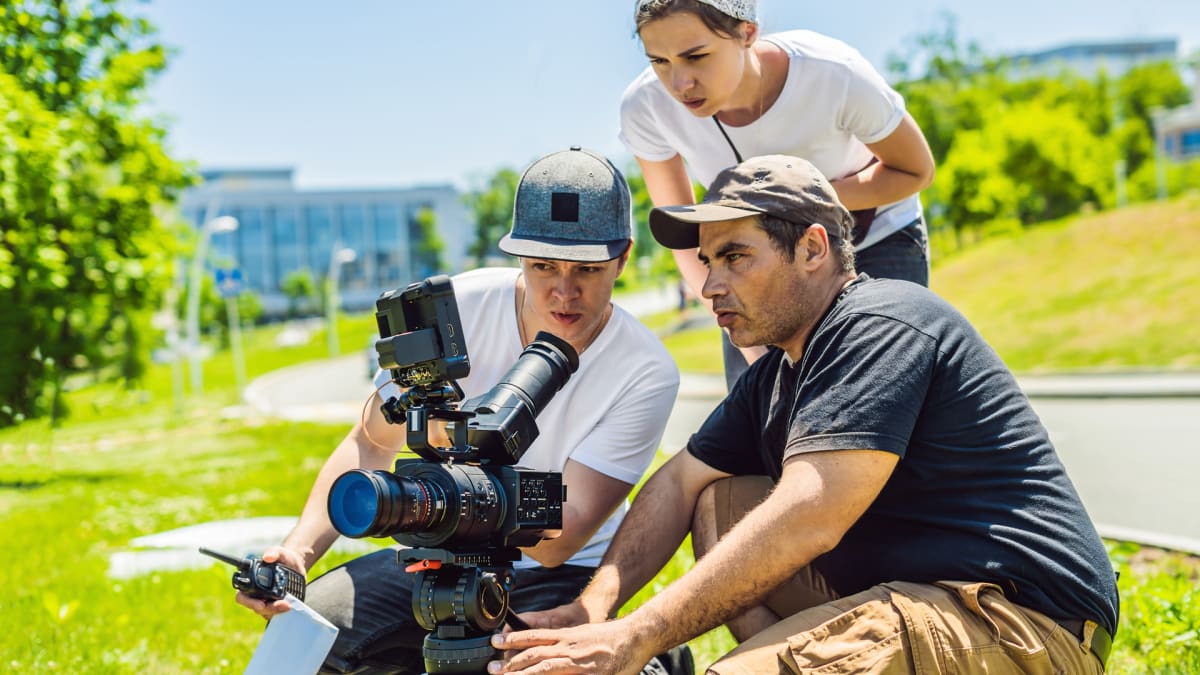
Film crews have a way of showing up quietly and leaving a noticeable mark. A few trucks parked outside, cables running through a storefront, a stretch of street that suddenly looks a little more polished than usual. Then they’re gone, and what is left behind isn’t just a finished scene. It’s business activity that runs deeper than most people realize.
In 2026, that activity is adding up. Recent figures tied to the North Carolina Department of Commerce show roughly $185.5 million in direct in-state spending from film and television production. It’s a number that reflects more than just what happens on set. It points to a broader ecosystem that continues to expand.
Where the Spending Actually Lands
The draw for production companies is clear. A mix of landscapes, an experienced workforce, and incentive programs like the state’s Film and Entertainment Grant help keep projects moving through the pipeline. What’s less visible is how far that spending reaches once production is underway.
It’s not limited to studios and sound stages. The impact shows up across industries:
• Local hotels and short-term rentals booked for weeks at a time
• Restaurants and catering companies feeding full crews daily
• Construction teams building and breaking down sets
• Small vendors supplying everything from props to equipment
Projects currently filming, including series like The Hunting Wives and RJ Decker, along with a steady run of feature and holiday films, keep that cycle active. Even after a production wraps, the effect lingers through repeat business and word-of-mouth within the industry.
Why It Matters for Business
From a business perspective, the film industry operates as a multiplier. A single project can support dozens of local businesses, many of which are not directly tied to entertainment. It creates short bursts of demand that add up over time, especially in areas that see repeat productions.
State leaders continue to emphasize the importance of maintaining competitive incentives to keep that momentum going. The Southeast has become increasingly competitive for film projects, and staying in the mix requires both infrastructure and policy support.
What’s taking shape is a creative economy that’s less niche than it once was. Film and television production are becoming part of a broader business strategy, one that connects job creation, small business growth, and long-term investment.
For many communities, it starts with a temporary set and ends with a stronger local network of businesses ready for the next call sheet.
If you’re interested in exploring more about the studios and services supporting this industry, you can find them here: https://www.guidetonc.com/movie-and-recording-studios.
