



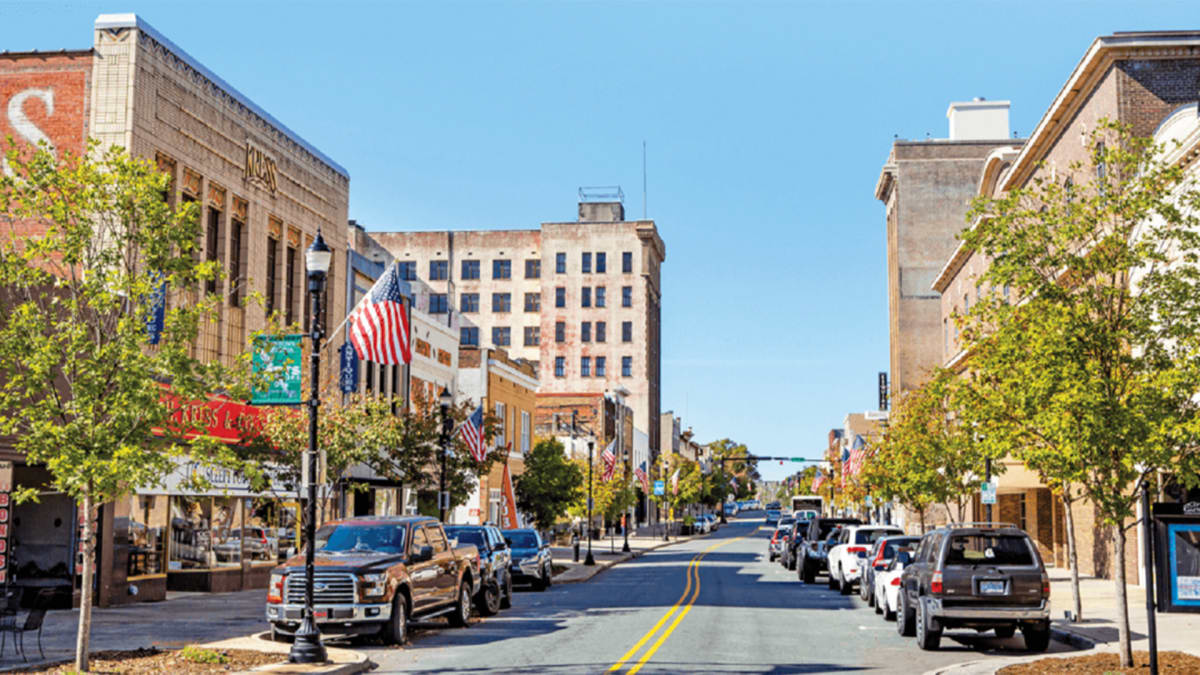
Main Street, Meet Your Comeback!
In many western North Carolina towns, Main Street has always been more than a row of storefronts. It’s where people grab lunch after church, run into neighbors during errands, celebrate local openings, and keep small-town economies moving one business at a time. After Hurricane Helene disrupted many of those commercial districts, recovery has become about more than repairing buildings. Communities are now looking at how to rebuild the places that hold daily life together.
That effort is getting a major push through the state’s new Commercial District Revitalization Program launched through Renew NC as part of western North Carolina’s ongoing recovery work.
Backed by federal disaster recovery funding, the new initiative gives eligible local governments and nonprofits the opportunity to apply for competitive grants ranging from roughly $500,000 to $10 million. The goal is to help storm-affected downtowns and business corridors recover in ways that support long-term stability for local businesses, workers, and residents.
Applications are open now through August 4, creating an important window for communities hoping to move larger redevelopment and infrastructure projects forward.
Investing Beyond Immediate Repairs
For many mountain towns, rebuilding commercial districts comes with added pressure because local downtowns often serve several roles at once. They support tourism, provide gathering spaces, house independent businesses, and help anchor the local economy during busy travel seasons.
When those districts are interrupted, the ripple effects spread quickly across restaurants, retail shops, service businesses, and jobs connected to visitor traffic.
The broader Renew NC recovery effort is designed to help communities think beyond temporary fixes by supporting projects tied to infrastructure improvements, redevelopment efforts, and stronger long-term planning.
That could mean updated streetscapes, improved public infrastructure, flood mitigation work, or redevelopment projects that help business districts operate more reliably moving forward. For smaller towns that may not otherwise have access to funding on this scale, the grants create room to tackle projects that would normally take years to piece together.
Recovery across western North Carolina is still ongoing, and many communities continue balancing immediate needs with longer-term planning. But programs like this reflect a larger understanding that rebuilding local economies often starts with rebuilding the places where people naturally gather, shop, work, and spend time together.
Because in towns across the mountains, Main Street still plays a central role in how the community functions day to day.
For more North Carolina community resources and local organizations, visit https://www.guidetonc.com/community-organizations.
