



Grip, Chalk, Go!
North Carolina’s climbing scene is getting bigger, busier, and a whole lot more accessible this summer. What used to feel like a niche outdoor world mostly occupied by hardcore climbers has started pulling in hikers, weekend adventurers, college groups, and first-timers looking for something more interesting than another afternoon spent indoors avoiding the heat.
The biggest shift is happening in Chimney Rock, where Lower Ghost Town is officially opening up public climbing access after a 25-year effort led by the Carolina Climbers Coalition and Access Fund. The newly protected area adds more than 50 established climbing routes to the region, ranging from moderate climbs to highly technical crack and roof routes that already have experienced climbers circling weekends on the calendar.
The Wall Gets Wider
What makes Lower Ghost Town stand out isn’t only the climbing itself. The area links directly into the Hickory Nut Gorge trail system, which means visitors can turn a climbing trip into an all-day outdoor plan without needing to pack up and relocate every few hours.
Some people are climbing. Others are hiking nearby trails, stretching out at overlooks, or watching climbers work their way up the rock face from below. That broader outdoor energy is becoming part of the appeal statewide.
Table Rock in Linville Gorge still anchors North Carolina’s climbing reputation with steep granite walls and long-established routes that continue to attract experienced climbers from across the Southeast. Pilot Mountain State Park remains a favorite for traditional and multi-pitch climbing, especially around the exposed routes surrounding the Big Pinnacle. Near Gastonia, Crowders Mountain State Park continues drawing newer climbers thanks to approachable routes and relatively easy access for day trips.
More Than a Climbing Crowd
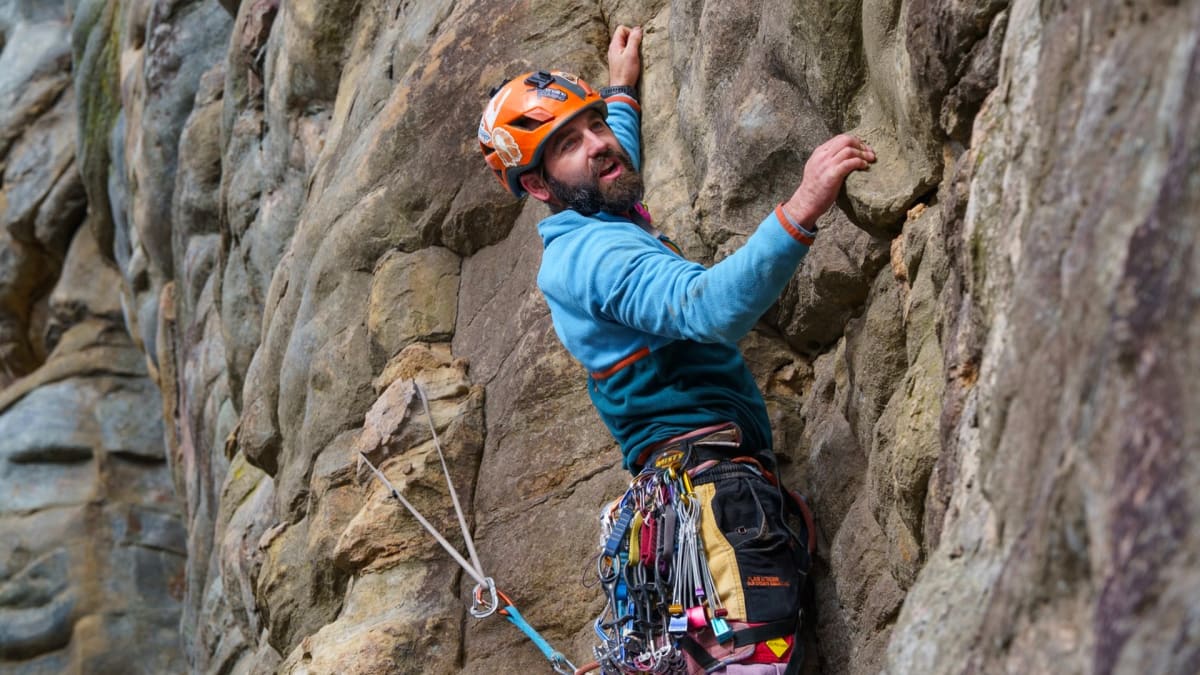
The culture around climbing has shifted too. You’ll still spot serious climbers hauling ropes, cams, and enough gear to fill a checkout counter, but the scene feels noticeably more social than it did even a few years ago.
Friend groups spread out picnic blankets below climbing walls. Outdoor clubs organize meetups. Nearby coffee shops and breweries fill up after long days on the trails. Small mountain towns are seeing more visitors building weekends around climbing access, hiking systems, and public outdoor spaces that continue expanding through conservation efforts.
That’s what makes this moment feel different. North Carolina’s climbing scene is no longer tucked quietly into the background of the outdoor world. Between new access points like Lower Ghost Town and longtime destinations continuing to draw crowds, the sport is becoming part of the broader summer culture across the mountains. Even people with zero intention of leaving the ground are finding reasons to be there.
Find more places to hike, paddle, climb, camp, and roam across North Carolina at https://www.guidetonc.com/recreation-places.
